Saṅkalpa — the Sacred Resolve
In Sanskrit San denotes “good” or “auspicious,” and Kalpa means a method, a procedure or a scriptural rule. Saṅkalpa is therefore a solemn vow or intention to do something good, in the way the Vedas and Śāstras prescribe.
In every religious ceremony the performer first takes a saṅkalpa — a firm resolve to accomplish the purpose of the ceremony in spite of any difficulty. All yajñas and worships are performed only after such a vow. Saṅkalpa is the expression of the sādhaka’s inner feeling for the sādhana he is about to undertake; making it aloud commits him to it.
How it is done
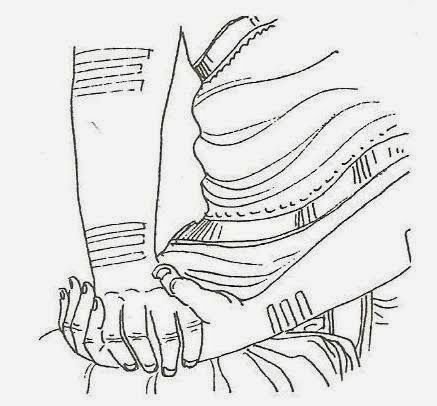
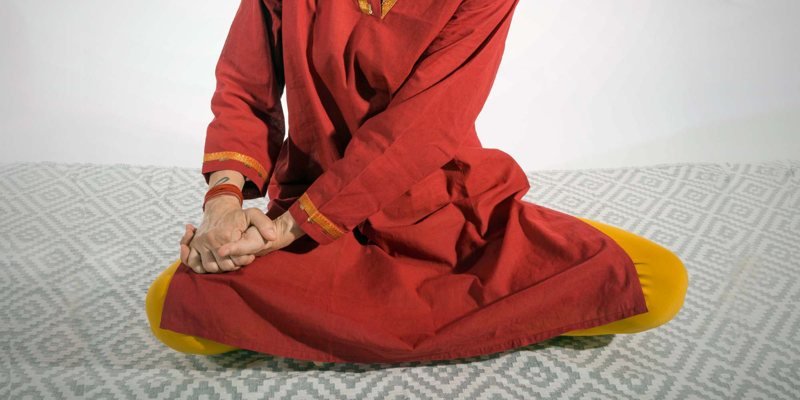
- Sit in Padmāsana, clasp the right palm over the left and rest them on the right thigh near the knee.
- Hold a few flowers and akṣatā (rice) in the right palm.
- Chant the Saṅkalpa mantra, then drop the flowers and rice with a little water into the arghya-pātra (sometimes only water is used).
Elements of a Vedic Saṅkalpa
- Time
- Place
- Almanac (Pañcāṅga)
- Lineage (gotra)
- Purpose
- Wish or desire
- The target — the Deity
- Nature or mode of the karma
1. The purpose clause
mamopātta-samasta-durita-kṣaya-dvārā
| mama | my, belonging to me |
| upātta | accumulated, gathered, incurred |
| samasta | all, entire |
| durita | sins, wrong deeds, misfortunes, obstacles |
| kṣaya | destruction, removal |
| dvārā | by means of |
Meaning: “By way of destroying all the sins and misdeeds that have accumulated in me.”
In the scriptures, durita covers: pāpa (wrong-doing, knowingly or unknowingly), prārabdha karma (karmic results already manifesting as difficulties), vipatti / āpad (dangers and calamities), doṣa / kleśa (impurities and suffering of body and mind) and vighna / pratibandha (obstacles in sādhana and daily life).
Then the deity is named:
- śrī parameśvara prītyartham — for Śiva
- śrīman nārāyaṇa prītyartham — for Viṣṇu
- śrī mātṛ prītyartham — for Devī
“For the destruction of all the karmic debts accumulated in me, and to please the Lord …”
2. Time — with reference to Brahmā
See Kāla — cycles of time and Kali Yuga for the calculations.
3. Place — the geographical element
jambūdvīpe · bhārata-varṣe · bhārata-khaṇḍe · meroḥ dakṣiṇe pārśve · śālivāhana-śakābde · asmin vartamāne vyāvahārike · prabhavādi-ṣaṣṭyāṁ saṁvatsarāṇāṁ madhye …
Of the seven dvīpas, we are in Jambūdvīpa on Bhūmaṇḍala, surrounded by the salt ocean; in Bhārata-varṣa, to the south of Mount Meru; in the Śālivāhana era; in the current year among the sixty years of the cycle beginning with Prabhava — followed by the ayana, ṛtu, māsa, pakṣa, tithi, vāsara and nakṣatra of the day.
Why do we offer worship? — Bhagavad Gītā 3.11
devān bhāvayatānena te devā bhāvayantu vaḥ
parasparaṁ bhāvayantaḥ śreyaḥ param avāpsyatha
Nourish the devas through this sacrifice, and the devas will nourish you; by nourishing one another you will attain the highest good.