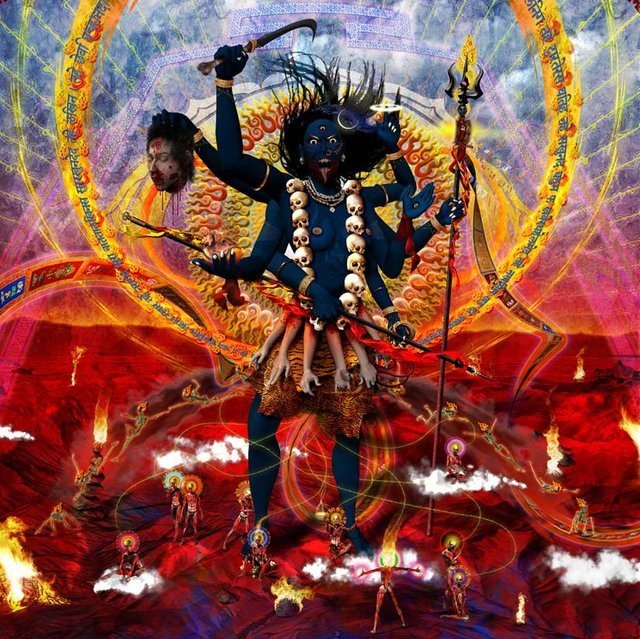
Kali Yuga — the Present Age
We live in Kali Yuga, the last and shortest of the four yugas — 4,32,000 years — in the 28th Mahā-Yuga of the Vaivasvata Manvantara. In this age dharma stands on only one leg, and the path to God is made simple: karma, upāsanā and jñāna, and above all the chanting of the Divine Name.
When did Kali Yuga begin?
| Kali Yuga — total | 4,32,000 years |
|---|---|
| Passed (by 2026) | about 5,127 years (3102 BCE → 2026 CE) |
| Remaining | about 4,26,870 years |
Āryabhaṭa (476 – 550 CE)
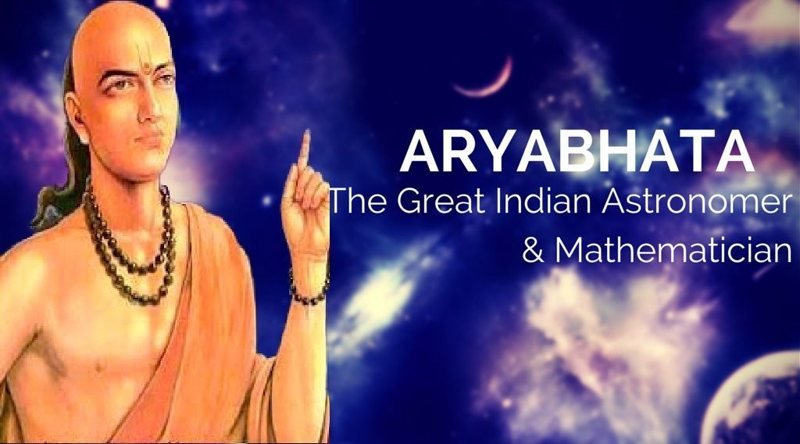
Author of the Āryabhaṭīya (mathematics and astronomy) and the Ārya-siddhānta (astronomy). Among his contributions: the value of π correct to four decimal places; the place-value system with zero; the rotation of the earth on its axis; the moon shining by reflected sunlight; the true causes of solar and lunar eclipses; sine tables; solutions of equations; the earth’s circumference; and an accurate length of the sidereal year. More on Bhārath’s contribution to the world.
Dharma in each yuga
| Yuga | Dharma |
|---|---|
| Satya (Kṛta) | 100% — four legs |
| Tretā | 75% — three legs |
| Dvāpara | 50% — two legs |
| Kali | 25% — one leg |
Parīkṣit gives Kali five places — Bhāgavatam 1.17
When King Parīkṣit caught Kali tormenting Dharma (the bull) and Bhūmi (the cow), Kali begged for a place to live. The king allowed him only where adharma already dwells:
- Gambling
- Intoxicating drink
- Illicit relationships
- Slaughter (cruelty to animals)
- Gold — the greed for wealth
Kṛṣṇa’s parable to the Pāṇḍavas
A popular story tells that four Pāṇḍavas went into the forest and each saw a strange sight. Kṛṣṇa explained each as a sign of Kali Yuga:
- Bhīma saw five wells — four overflowing and the central one empty. In Kali Yuga the rich will overflow, yet will not give even a drop to the poor in their midst.
- Arjuna saw a sweet-singing bird tearing at a rabbit. Some who speak sweet words of wisdom will prey on those who trust them.
- Sahadeva saw a cow licking its calf so hard that the calf was wounded. Parents will spoil their children with excessive attachment.
- Nakula saw a great rock crashing down the hill, stopped only by a small plant. People will not listen to advice; only God’s name can stop the fall.
Hanumān tells Bhīma about the yugas
In the Mahābhārata (Vana Parva), Bhīma meets Hanumān — both sons of Vāyu. Hanumān explains that in Kali Yuga his great form cannot be seen, strength and life-span keep reducing, dharma stands on one leg, diseases and mental troubles increase, laziness, fear, corruption and cunning spread, and rains fail.
Ariṣaḍvarga — the six inner enemies
Who is Kali? — Kalki Purāṇa
The name is linked with the root kad — to suffer, hurt, confuse. Kali Yuga is called the age of darkness, of vice and misery, of quarrel and hypocrisy. The Kalki Purāṇa gives Kali’s lineage as a chain of vices:
- Brahmā →
- Adharma (impropriety) + Mithyā (falsehood) →
- Dambha (vanity) + Māyā (illusion) →
- Krodha (anger) + Hiṁsā (violence) →
- Kali — great-great-grandson of Brahmā
What the Purāṇas foretold — Bhāgavatam, Canto 12
In summary, the Śrīmad Bhāgavatam (12.2) foretells that in Kali Yuga:
- Religion, truthfulness, cleanliness, tolerance, mercy, life-span, strength and memory will decline day by day.
- Wealth alone will be taken as the sign of good birth, conduct and merit; justice will depend on power.
- Relationships will rest on mere attraction, and business on deceit.
- Spiritual standing will be judged by outward symbols; hypocrisy will pass for virtue.
- Yet the same Purāṇa says the great saving grace of this age is that simply chanting the Lord’s name frees one from its faults (Bhāgavatam 12.3.51).
hare kṛṣṇa hare kṛṣṇa kṛṣṇa kṛṣṇa hare hare
hare rāma hare rāma rāma rāma hare hare