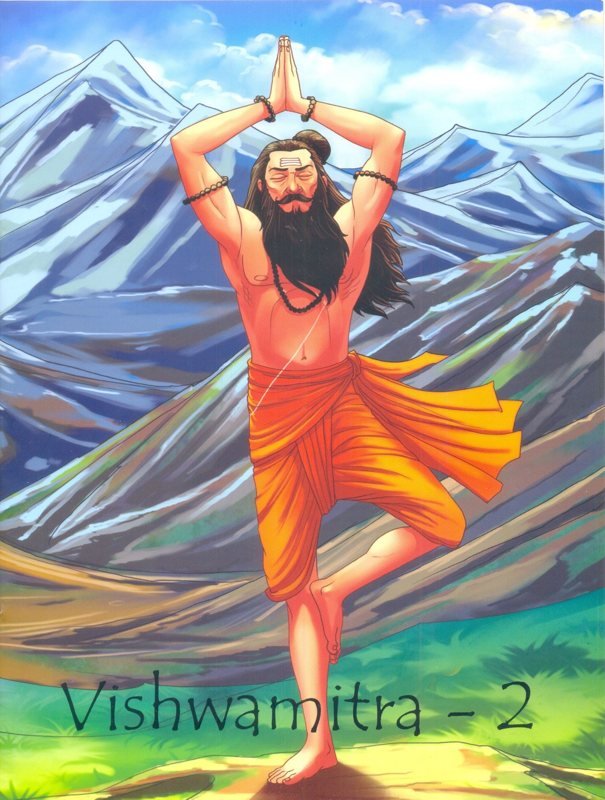
The Gāyatrī Mantra
oṁ bhūr bhuvaḥ svaḥ
tat savitur vareṇyaṁ
bhargo devasya dhīmahi
dhiyo yo naḥ pracodayāt
“We meditate on the adorable radiance of the divine Savitṛ; may that light inspire and illumine our intellect.”
- Revealed to Brahmarṣi Viśvāmitra — Ṛgveda, Maṇḍala 3, sūkta 62, verse 10.
- Gāyatrī is the name of the Vedic metre (24 syllables) in which it is composed.
- It is the Samaṣṭi Mantra — a prayer for all beings: may the light of consciousness that pervades the whole creation illumine and stimulate the intellect of all human beings towards Self-realisation.
- The Purāṇas say only 24 Ṛṣis have understood its whole meaning — Viśvāmitra the first and Yājñavalkya the last.
From the snap of a finger to all living beings — Yājñavalkya Mahaṛṣi
The teaching of Yājñavalkya traces how creation unfolds, with the Gāyatrī at its heart:
- Aṅguli Madana (a snap of the fingers) — from which Jalam (water) is formed
- Jalam — from which Phenam (foam) is formed
- Phenam — from which Budbudam (bubble) is formed
- Budbudam — from which Aṇḍam (the cosmic egg, Brahmāṇḍa) is formed
- Aṇḍam — from which Brahmā is formed
- Brahmā — from whom Vāyu (air) is formed
- Vāyu — from which Agni (fire) is formed
- Agni — from which Praṇava (Oṁ) is formed
- Praṇava — from which the Vyāhṛtis (Oṁ Bhūr Bhuvaḥ Svaḥ) are formed
- Vyāhṛtis — from which the Gāyatrī is formed
- Gāyatrī — from which Sāvitrī is formed
- Sāvitrī — from whom Sarasvatī is formed
- Sarasvatī — from whom all the Vedas are formed
- Vedas (the wisdom of life) — from which the 14 Lokas (7 above and 7 below) are formed
- 14 Lokas — from which the Prāṇas — all living beings — are formed
The 24 syllables — their Ṛṣis and Devatās
| # | Bīja | Ṛṣi (who saw it) | Devatā | # | Bīja | Ṛṣi | Devatā |
|---|---|---|---|---|---|---|---|
| 1st Pāda — Tat savitur vareṇyam | |||||||
| 1 | Tat | Vasiṣṭha | Agni | 5 | Va | Bhārgava | Āditya |
| 2 | Sa | Bharadvāja | Prajāpati | 6 | re | Śāṇḍilya | Gārhapatya |
| 3 | vi | Garga | Candra | 7 | ṇi | Lohita | Mitra |
| 4 | tur | Upamanyu | Īśāna | 8 | yam | Viṣṇu | Bhagadeva |
| 2nd Pāda — Bhargo devasya dhīmahi | |||||||
| 9 | Bhar | Śātātapa | Aryamā | 13 | sya | Parāśara | Indrāgni |
| 10 | go | Sanatkumāra | Savitā | 14 | Dhī | Pauṇḍraka | Vāyu |
| 11 | De | Veda Vyāsa | Tvaṣṭā | 15 | ma | Kratu | Vāmadeva |
| 12 | va | Śuka | Pūṣā | 16 | hi | Dakṣa | Mitrāvaruṇa |
| 3rd Pāda — Dhiyo yo naḥ pracodayāt | |||||||
| 17 | Dhi | Kaśyapa | Bhrātṛvya | 21 | pra | Aṅgiras | Rudra |
| 18 | yo | Atri | Viṣṇu | 22 | co | Nimi | Kubera |
| 19 | yo | Agastya | Vāmana | 23 | da | Mudgala | Aśvinī Kumāras |
| 20 | naḥ | Uddālaka | Viśvedevas | 24 | yāt | Viśvāmitra | Akṣara Brahma |
The three Pādas
| Pāda | Bhāva | Śakti | Veda |
|---|---|---|---|
| 1. Tat savitur vareṇyam | Brahma | Icchā Śakti (will) | Ṛgveda |
| 2. Bhargo devasya dhīmahi | Daiva | Jñāna Śakti (knowledge) | Yajurveda |
| 3. Dhiyo yo naḥ pracodayāt | Devatā | Kriyā Śakti (action) | Sāmaveda |
In the Gāyatrī Nyāsa, each syllable is invoked as: oṁ — [Ṛṣi] ṛṣiḥ — [Chandas] chandaḥ — [Devatā] devatāya — [Bīja] kāra — akṣara-svarūpāya namo namaḥ, touching the head (Ṛṣi), the mouth/eyes (Chandas) and the heart (Devatā) with the corresponding mudrā.
Gāyatrī mantras of the deities
oṁ ekadantāya vidmahe · vakratuṇḍāya dhīmahi · tanno dantiḥ pracodayāt
We meditate on the One-Tusked, Curved-Trunked Lord; may He illuminate our mind and guide us on the right path.oṁ kātyāyanyai vidmahe · kanyākumāryai dhīmahi · tanno durgā pracodayāt
We meditate on Durgā, the pure daughter of Sage Kātyāyana; may She guide our mind and actions on the righteous path.oṁ tan maheśāya vidmahe · vāg-viśuddhāya dhīmahi · tanno śivaḥ pracodayāt
We meditate on Mahēśa, the purifier of speech; may He guide us toward truth and wisdom.oṁ vāgīśvaryai vidmahe · vāgvādinyai dhīmahi · tanno sarasvatī pracodayāt
We meditate on Vāgīśvarī, Goddess of speech and bestower of eloquence; may Sarasvatī inspire our intellect.oṁ mahādevyai ca vidmahe · viṣṇupatnyai ca dhīmahi · tanno lakṣmīḥ pracodayāt
We meditate on Lakṣmī, consort of Viṣṇu; may She bless us with prosperity and well-being.oṁ nārāyaṇāya vidmahe · vāsudevāya dhīmahi · tanno viṣṇuḥ pracodayāt
We meditate on Nārāyaṇa, the all-pervading preserver; may He guide us in righteous action.oṁ kāla-kālāya vidmahe · kālātītāya dhīmahi · tanno kāla-bhairavaḥ pracodayāt
We meditate on the Lord who is Time of time and beyond time; may Kāla Bhairava guide us.