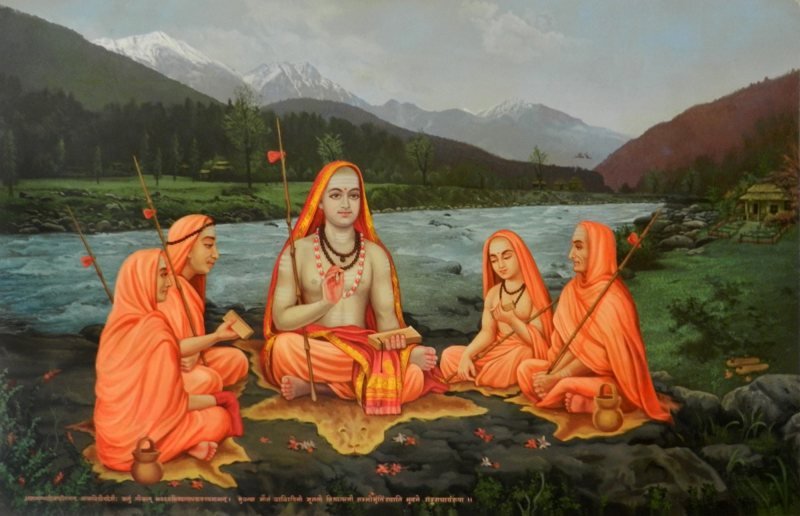
Who is a Guru?
Anyone who helps you destroy the darkness of ignorance and leads you towards the brightness of clarity and knowledge is your Guru.
guśabdas tv andhakāraḥ syāt ruśabdas tan-nirodhakaḥ
andhakāra-nirodhitvāt gurur ity abhidhīyate
The sound Gu represents darkness; the sound Ru represents its removal. Because of this power of removing darkness, the name Guru is given.
vinaya-phalaṁ śuśrūṣā guru-śuśrūṣā-phalaṁ śruta-jñānam
jñānasya phalaṁ viratiḥ virati-phalaṁ cāsrava-nirodhaḥ
Humility results in service; service to the Guru brings knowledge; knowledge brings detachment; and detachment results in Mokṣa (liberation).
Guru and Vyāsa Pūrṇimā
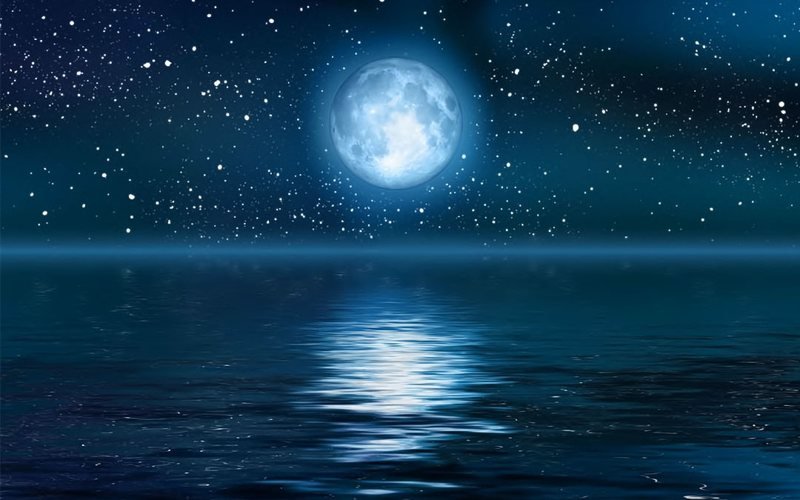
- Guru Pūrṇimā is celebrated as Vyāsa Pūrṇimā, as Sage Veda Vyāsa was born on this day.
- On this day Lord Śiva, as the Ādi Guru, began teaching the Sapta Ṛṣis.
- It falls on the full moon (Pūrṇimā) of Āṣāḍha month (June–July).
- The Guru principle is said to be a thousand times more active on Guru Pūrṇimā than on any other day.
- The brightest presence of the full moon in the vast darkness of the sky is the perfect symbol of what a Guru signifies — the large, darkness-dispelling moon.
oṁ śāntiḥ śāntiḥ śāntiḥ
“Lead me from the unreal to the Real, from darkness to Light, from death to Immortality.”
The four to be revered as God
From the Taittirīya Upaniṣad, the first lessons of the Gurukula:
Revere your mother as God
Revere your father as God
Revere your teacher as God
Revere your guest as God
Sampradāya — spiritual lineages
A Sampradāya is a living line of teachers and disciples through which a tradition is passed on. The four Vaiṣṇava Sampradāyas:
| Main deity | Paramparā | Ācārya | Primary Maṭhas | Linked Sampradāya |
|---|---|---|---|---|
| Śrī Devī (Lakṣmī) | Śrī Sampradāya | Rāmānujācārya | Melukote, Srirangam, Vanamamalai, Tirukkurungudi, Kanchipuram, Ahobila, Parakala | Rāmānandī Sampradāya |
| Brahmā | Mādhva Sampradāya | Madhvācārya | Sri Krishna Matha (Udupi), Madhva Mathas, Gaudiya Math, ISKCON | Gauḍīya Vaiṣṇavism |
| Rudra | Rudra Sampradāya | Viṣṇusvāmī / Vallabhācārya | — | Puṣṭimārga |
| Four Kumāras | Kumāra Sampradāya | Nimbārka | Kathia Baba ka Sthaan, Nimbarkacharya Peeth, Ukhra Mahanta Asthal, Howrah Nimbarka Ashram | — |
Ādi Śaṅkara’s Advaita lineage continues through the four Āmnāya Pīṭhas — Purī (Padmapāda), Śṛṅgeri (Sureśvara), Dvārakā (Hastāmalaka) and Jyotirmaṭh (Toṭaka). See Adi Shankara.
Dīkṣā — initiation
Dīkṣā is the initiation by which the Guru awakens the disciple’s inner energy (Kuṇḍalinī) and opens the path of sādhanā. The types of Dīkṣā:
| Dīkṣā | Through |
|---|---|
| Vāk Dīkṣā | Mantra — Jñāna (the spoken word) |
| Sparśa Dīkṣā | Touch — direct transmission |
| Samaya Dīkṣā | Yantra — Tantra Yoga |
| Mano Dīkṣā | The mind — inner transformation |
| Śāmbhavī Dīkṣā | The Guru’s grace and gaze — the highest initiation |
ekaṁ sad viprā bahudhā vadanti — “Truth is one; the wise call it by many names.” (Ṛgveda 1.164.46)